
Julius AI
Julius AI is an AI-powered data analysis tool that lets you chat with your spreadsheets, CSVs, and databases to generate charts, statistics, and insights without writing a single line of code.
Julius AI is an intelligent data analysis platform that transforms how individuals and teams interact with data. Instead of writing Python scripts or SQL queries, you simply upload your dataset — whether a CSV file, Excel spreadsheet, Google Sheet, or database export — and ask questions in plain English. Julius understands your intent, executes the appropriate analysis, and returns clear visualizations and written interpretations.
Under the hood, Julius leverages Python and R for computation, meaning the statistical capabilities are extensive and reliable. It can perform linear and logistic regression, correlation analysis, t-tests, ANOVA, clustering, time series forecasting, and much more. All of this happens transparently — Julius shows you the code it runs, so technically inclined users can audit, learn from, and even extend the analysis. But code knowledge is never a prerequisite.
Chart and graph generation is a core strength of Julius. Bar charts, scatter plots, histograms, heatmaps, box plots, and line graphs are created automatically based on the nature of your question and your data. Charts are rendered with clean, publication-ready styling and can be exported as image files. For reports and presentations, this dramatically reduces the time needed to produce compelling data visuals.
Julius is widely used by researchers, data analysts, business intelligence teams, students, and consultants who need to move quickly from raw data to insight. Academic researchers use it to perform statistical tests and visualize experimental results. Business analysts leverage it to explore sales trends, customer segmentation, and operational metrics. Students use it to complete statistics coursework without needing to master R or Python first.
Beyond analysis, Julius can generate written summaries and narrative interpretations of results — turning numbers into clear, executive-ready language. This makes it especially valuable for professionals who need to communicate data findings to non-technical stakeholders. Results and reports can be exported in multiple formats, including images and shareable links, for integration into documents and presentations.
Key Features
- Natural language data querying — ask questions about your data in plain English and receive instant answers
- Supports CSV, Excel, Google Sheets, and database file uploads for flexible data ingestion
- Automatic chart and graph generation including bar charts, scatter plots, histograms, heatmaps, and more
- Full statistical analysis suite — regression, correlation, t-tests, ANOVA, clustering, and time series forecasting
- Python and R execution under the hood with transparent code display for technical users to audit and learn
- Written narrative summaries that translate complex statistical results into plain, executive-ready language
- Export charts and analysis results as image files or shareable report links
- Multi-dataset support for joining and comparing data from multiple uploaded files
- Conversational memory within sessions allowing follow-up questions and iterative data exploration
- No coding required — designed for analysts, researchers, students, and business professionals of all technical levels
Frequently Asked Questions
Do I need to know Python or statistics to use Julius AI?
No, Julius AI is specifically designed for users without coding or statistics backgrounds. You interact entirely through natural language — describe what you want to analyze, and Julius handles all the computation. That said, Julius also shows the Python or R code it generates behind the scenes, which makes it an excellent learning tool for users who want to develop their programming or data analysis skills over time.
What file formats does Julius AI support?
Julius AI supports the most common data formats including CSV, XLSX (Excel), Google Sheets (via link), and standard database export files. You can upload multiple files in a single session, and Julius can join and analyze data across them. For larger datasets, the Pro plan offers higher file size limits and more processing capacity than the free and Essential tiers.
Can Julius AI generate publication-quality charts?
Yes, Julius generates clean, well-styled charts suitable for reports, academic papers, and presentations. Charts are rendered automatically based on your data type and question, and you can request specific chart types by describing them in your prompt. All charts can be exported as PNG or similar image formats for use in documents, slides, and publications.
How many messages can I send on the free plan?
The free plan provides 15 messages per month, which covers light exploration and evaluation. Each message can trigger a complete analysis, chart generation, or statistical test. For regular use, the Essential plan at $20 per month offers significantly more capacity, while the Pro plan at $45 per month provides the highest limits along with priority processing and advanced features.
Who uses Julius AI most commonly?
Julius AI is especially popular among academic researchers performing statistical analysis on experimental or survey data, business analysts tracking KPIs and exploring operational data, and students completing statistics or data science coursework. Consultants and freelance analysts also use it to quickly generate client-ready visualizations and reports without spending hours on manual chart creation in Excel or Python.
Alternative Tools
Other Productivity tools you might like

Beautiful.ai
ProductivityAI-powered presentation tool with smart auto-design and layout intelligence

AutoGPT
ProductivityAutoGPT is a pioneering open-source autonomous AI agent framework that lets you assign a high-level goal and watches it autonomously plan, research, write code, browse the web, and execute tasks until the objective is complete.

Calendly AI
ProductivityAI scheduling platform that automates meeting booking with shareable calendar links.

ChatPDF
ProductivityAI tool that lets you chat with any PDF document, asking questions and getting instant answers with citations from research papers, contracts, textbooks, and more.

ClickUp AI
ProductivityClickUp AI is an all-in-one project management platform with built-in AI that writes, summarizes, generates action items, and automates work across tasks, docs, whiteboards, and goals.

Clockwise
ProductivityAI calendar optimization that protects Focus Time and reduces meeting overload
Tags
Related Guides

AI Standards Research Workflow 2026: Perplexity, NotebookLM, ChatPDF, Gemini, and ChatGPT
Find, identify, compare, and review technical standards with AI search while preserving edition history, source authority, licensing boundaries, and human approval.

AI Account Research Workflow 2026: Perplexity, NotebookLM, Gemini, ChatGPT, and ChatPDF for Sales Teams Without Creepy Personalization
Last updated: July 29, 2026 · Category cluster: AI search tools Bad account research does not merely waste a seller’s time. It gives the buyer a reason to distrust the seller.…
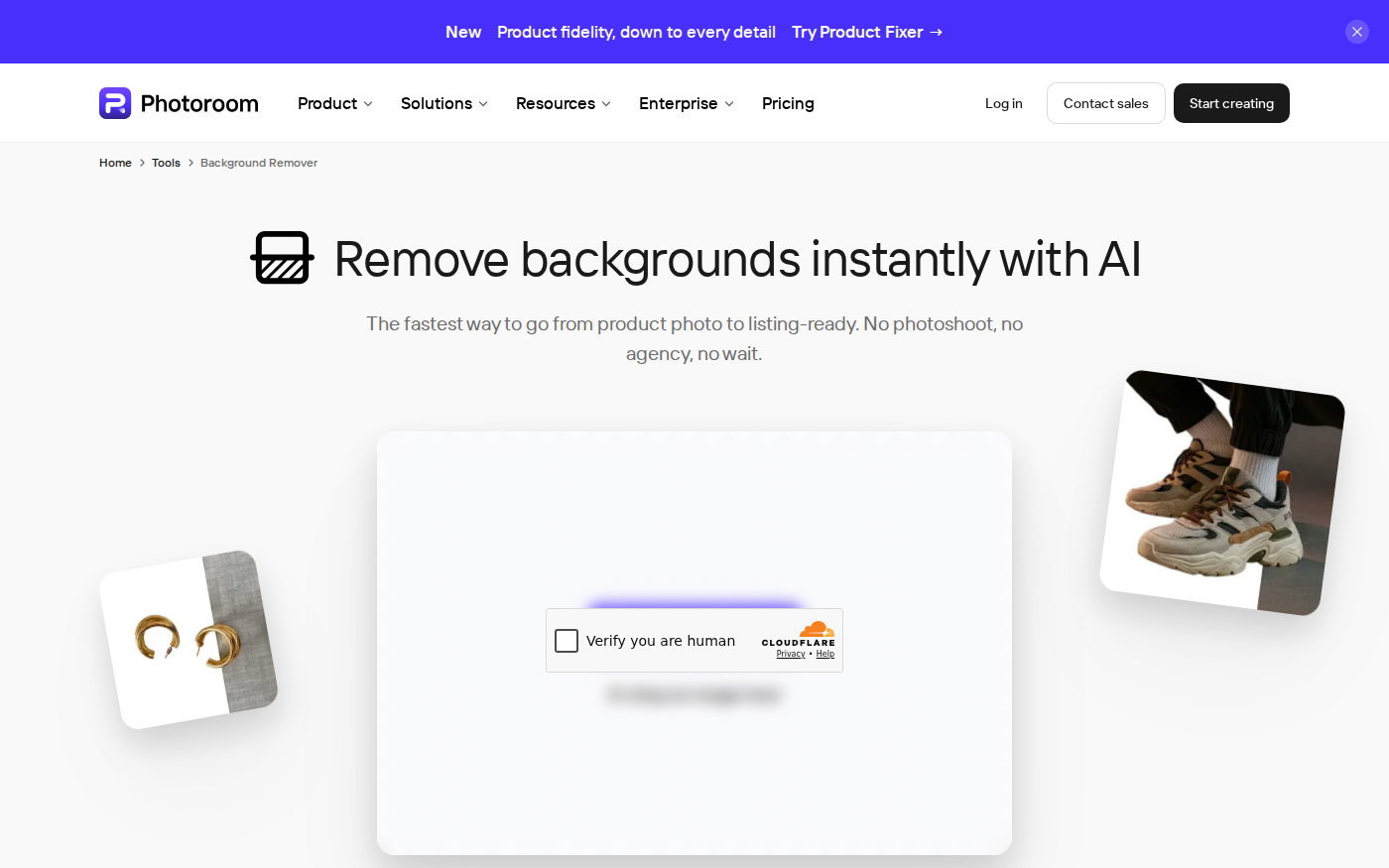
PhotoRoom vs Pixlr: Which Is Better for Product Photos?
Last checked: September 4, 2026 · Category: AI image tools PhotoRoom is the more direct choice for turning product photos into consistent marketplace images; Pixlr is the more flexible choice when…
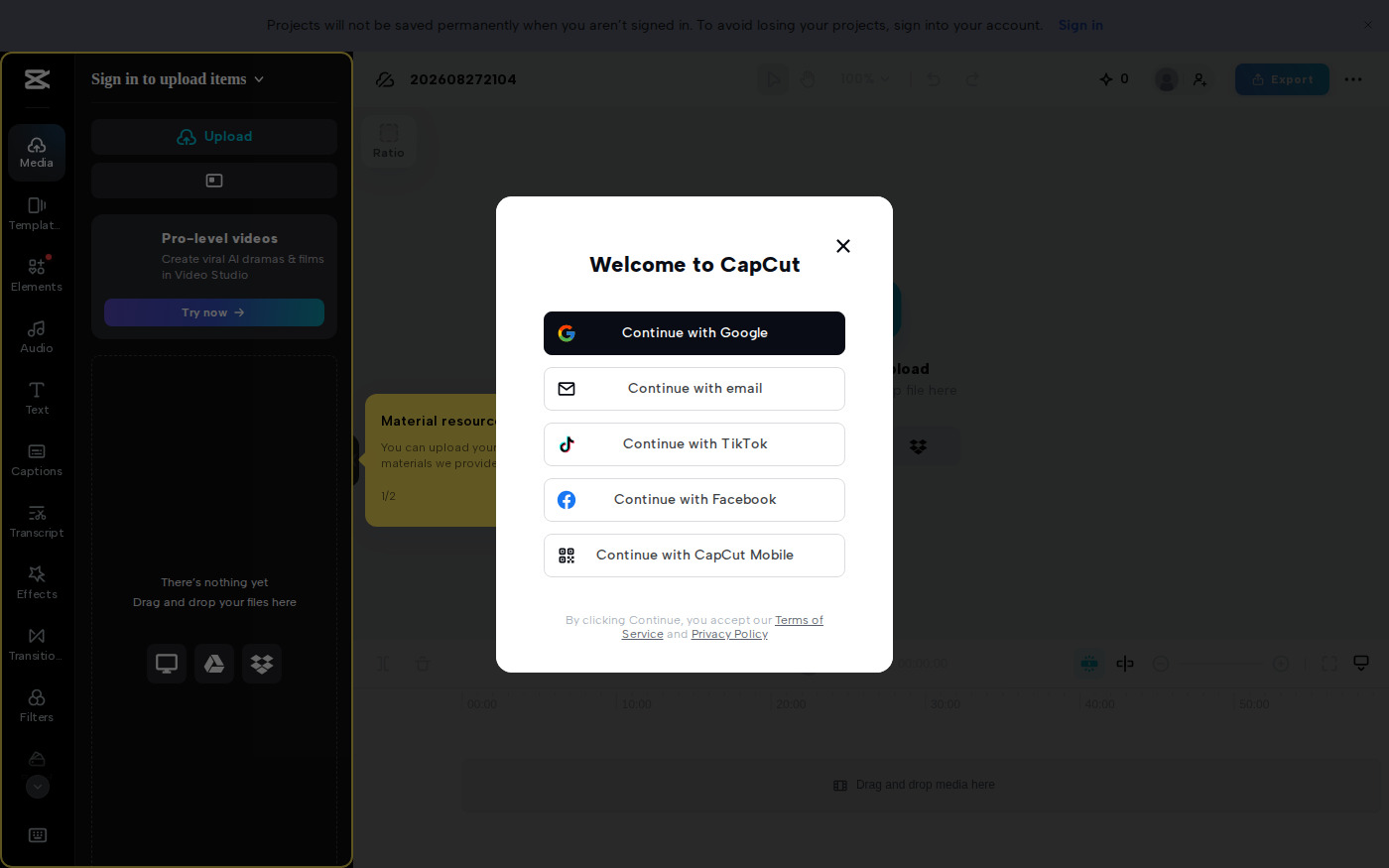
CapCut vs Descript: Which Editor Fits Talking-Head Videos?
Last checked: August 28, 2026 · Category: AI video tools CapCut and Descript can both turn a talking-head recording into a captioned video, but they make different parts of the edit feel primary.…