
Figma AI
AI features built into Figma that accelerate UI/UX design workflows with auto-layout suggestions, design generation, and intelligent content replacement.
Figma AI refers to the suite of artificial intelligence capabilities integrated directly into Figma, the leading collaborative interface design tool used by over 4 million designers, product managers, and developers worldwide. Rather than being a separate product, Figma AI enhances the core Figma design environment with intelligent features that accelerate ideation, reduce repetitive work, and help teams design faster without leaving the platform.
Figma launched its AI features as part of a broader initiative in 2024, making several capabilities available to users. The AI-powered features are deeply integrated into Figma's existing workflows, meaning designers can invoke AI assistance contextually — when auto-filling content, searching components, generating visual variations, or building design systems.
One of the most practical features is AI-powered fill. When a designer creates a wireframe with placeholder elements, AI can automatically populate those elements with contextually relevant content — realistic text, appropriate images, and suitable UI components — transforming low-fidelity wireframes into realistic prototypes without manual content creation.
Figma AI can also generate design variations from a description. Designers can describe a UI element or layout, and the AI produces multiple design options that respect Figma's component system, auto-layout rules, and the existing design system tokens. This dramatically accelerates the exploration phase of design work.
The search functionality in Figma's Asset panel is enhanced with AI to understand natural language queries — designers can search for components using descriptive terms rather than exact names, finding relevant UI elements faster. AI-powered rename features can automatically suggest appropriate names for layers and components based on their content and position.
Figma is also building on its Make Design feature (introduced in Config 2024) which allows users to generate entire UI screens from text prompts, producing editable Figma files with proper component structure and auto-layout. This represents the most ambitious application of AI within Figma — turning product requirements directly into design artifacts.
Key Features
- AI-powered fill: automatically populate wireframe placeholders with contextually relevant content
- Make Design: generate entire UI screens from text descriptions as editable Figma files
- Design variations generation respecting existing component libraries and design tokens
- Natural language component search in the Asset panel for faster element discovery
- AI-powered layer and component rename suggestions based on content and position
- Prototype annotation generation to document interactions and design decisions
- First Draft feature for generating initial UI layouts from rough ideas
- Auto-layout AI assistance for maintaining responsive design structure
- Component matching to map imported designs to existing design system components
- Content replacement with realistic dummy text and images in mockups
Frequently Asked Questions
Is Figma AI free to use?
Figma's free Starter plan includes a limited daily allowance of AI credits for basic features, but full Figma AI capabilities such as First Draft generation require a paid Full seat. The Professional plan starts around $16 per Full seat per month (billed annually), with Organization and Enterprise plans adding advanced admin controls and higher AI usage limits. Figma AI features, including the newer AI agent, have been rolling out gradually rather than all at once.
What does Figma AI's First Draft feature do?
First Draft turns a text description into an editable wireframe or design in a couple of minutes, using Figma-built design libraries as building blocks so the output is real, editable Figma layers rather than a flat image. It is meant for quickly exploring early concepts you then refine by hand. As of the May 2026 update, Figma's new AI agent became the primary entry point for this functionality, offering more powerful iteration. The feature performs best with English prompts, with support for other languages still improving.
Who is Figma AI best suited for?
Figma AI is ideal for UI/UX designers, product designers, design teams, and frontend developers who use Figma as their primary design tool. It benefits teams working on digital products including websites, mobile apps, and software interfaces. Design agencies managing multiple client projects and startups needing rapid prototyping find the AI features particularly valuable for accelerating design workflows.
What is the biggest advantage of Figma AI?
Figma AI's greatest advantage is its seamless integration into the collaborative design workflow that teams already use. Unlike standalone AI design tools, Figma AI works within the context of your existing design system, components, and brand guidelines. It can generate designs that match your established patterns, making AI assistance feel natural rather than disruptive to the team's design process.
Is Figma AI easy to use for beginners?
Yes, Figma AI integrates naturally into Figma's already intuitive interface. AI features appear as contextual suggestions while you design, requiring no special AI knowledge. Features like auto-layout suggestions, content fill, and design recommendations work with simple clicks. If you can use Figma, you can use Figma AI. The learning curve is essentially zero for existing Figma users.
Alternative Tools
Other Design tools you might like

Canva AI
DesignAI-powered design features built into Canva including text-to-image generation, Magic Design, AI-powered background removal, and automated design assistance for non-designers.

Framer
DesignFramer is an AI-powered website builder that generates professional, responsive websites from text prompts with a visual drag-and-drop editor, built-in CMS, and stunning animations.

Napkin AI
DesignNapkin AI instantly transforms any text into professional visual diagrams, flowcharts, and infographics — no design skills required.
Tags
Related Guides

AI Accessibility Design Review 2026: Figma AI, Framer, v0, and Canva AI Before Usability Testing
Review task states, content extremes, keyboard paths, semantics, responsive behavior, inclusive research, and evidence before an AI-assisted interface reaches usability testing.

AI Design Handoff Workflow 2026: Figma AI, Framer, Canva AI, Napkin AI, and v0 From Approved Concept to Build
Last updated: July 31, 2026 · Category cluster: AI design tools A polished mockup is not a handoff. It can win approval in a review and still leave engineers guessing about loading, empty, error,…
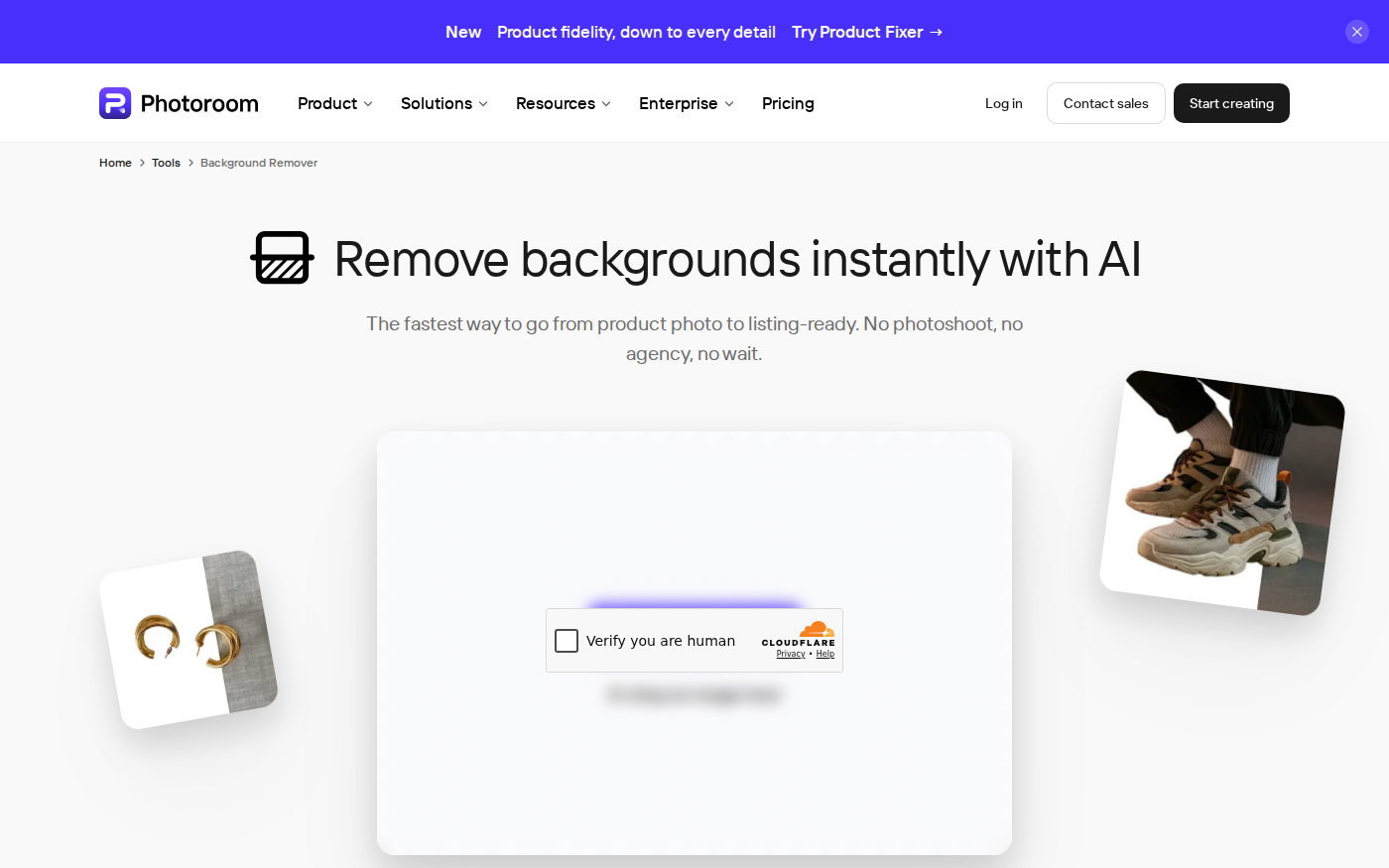
PhotoRoom vs Pixlr: Which Is Better for Product Photos?
Last checked: September 4, 2026 · Category: AI image tools PhotoRoom is the more direct choice for turning product photos into consistent marketplace images; Pixlr is the more flexible choice when…
CapCut vs Descript: Which Editor Fits Talking-Head Videos?
Last checked: August 28, 2026 · Category: AI video tools CapCut and Descript can both turn a talking-head recording into a captioned video, but they make different parts of the edit feel primary.…